Gregory Ain in Los Angeles: The Modernist Who Designed for Everyone and the Mar Vista Tract That Started It

Architectural Homes Β· Los Angeles

Gregory Ain in Los Angeles: the modernist who designed for everyone

The architect MoMA celebrated and the FBI tried to bury. Why his Los Angeles homes still draw a premium in 2026, and what a buyer should verify before falling for one.

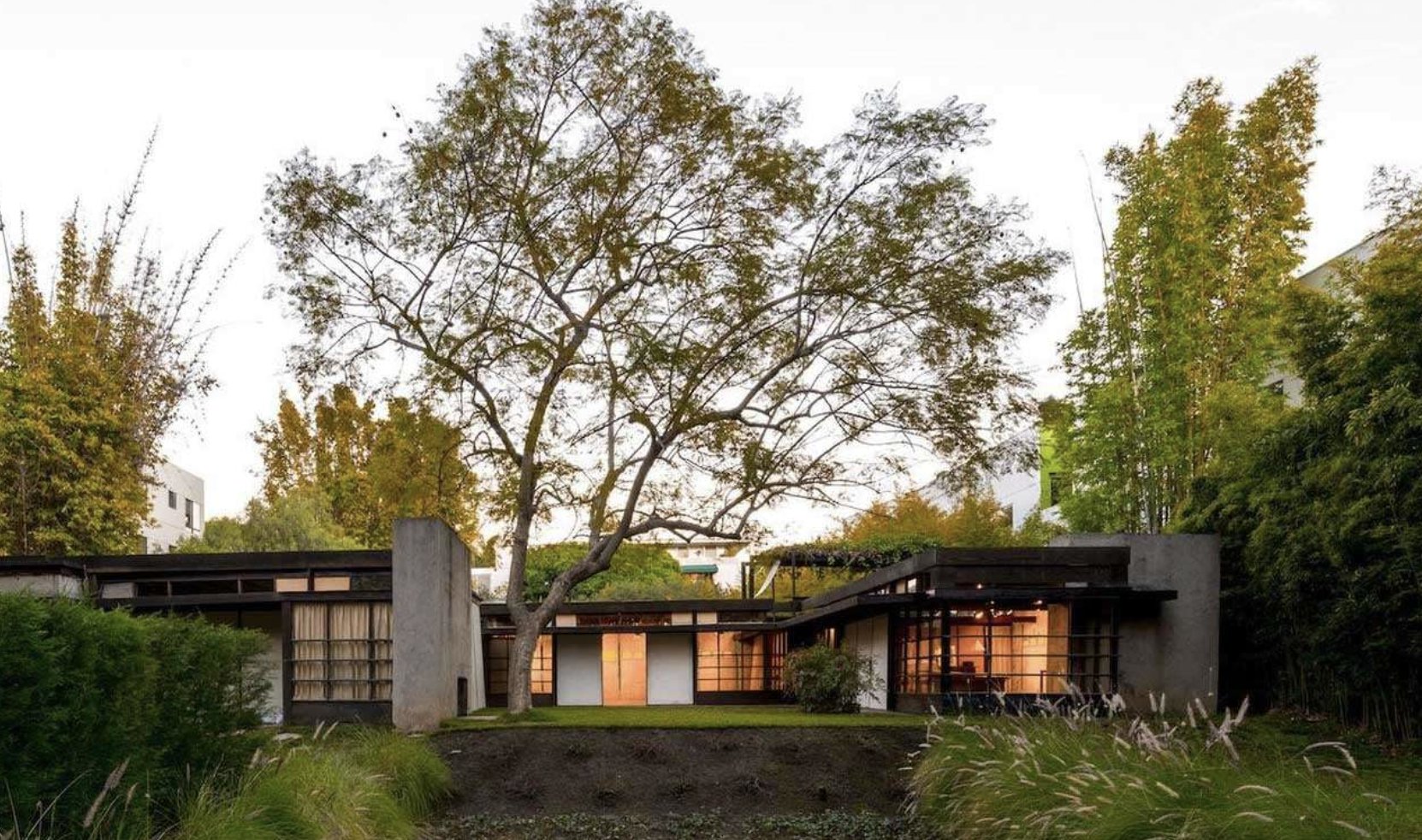
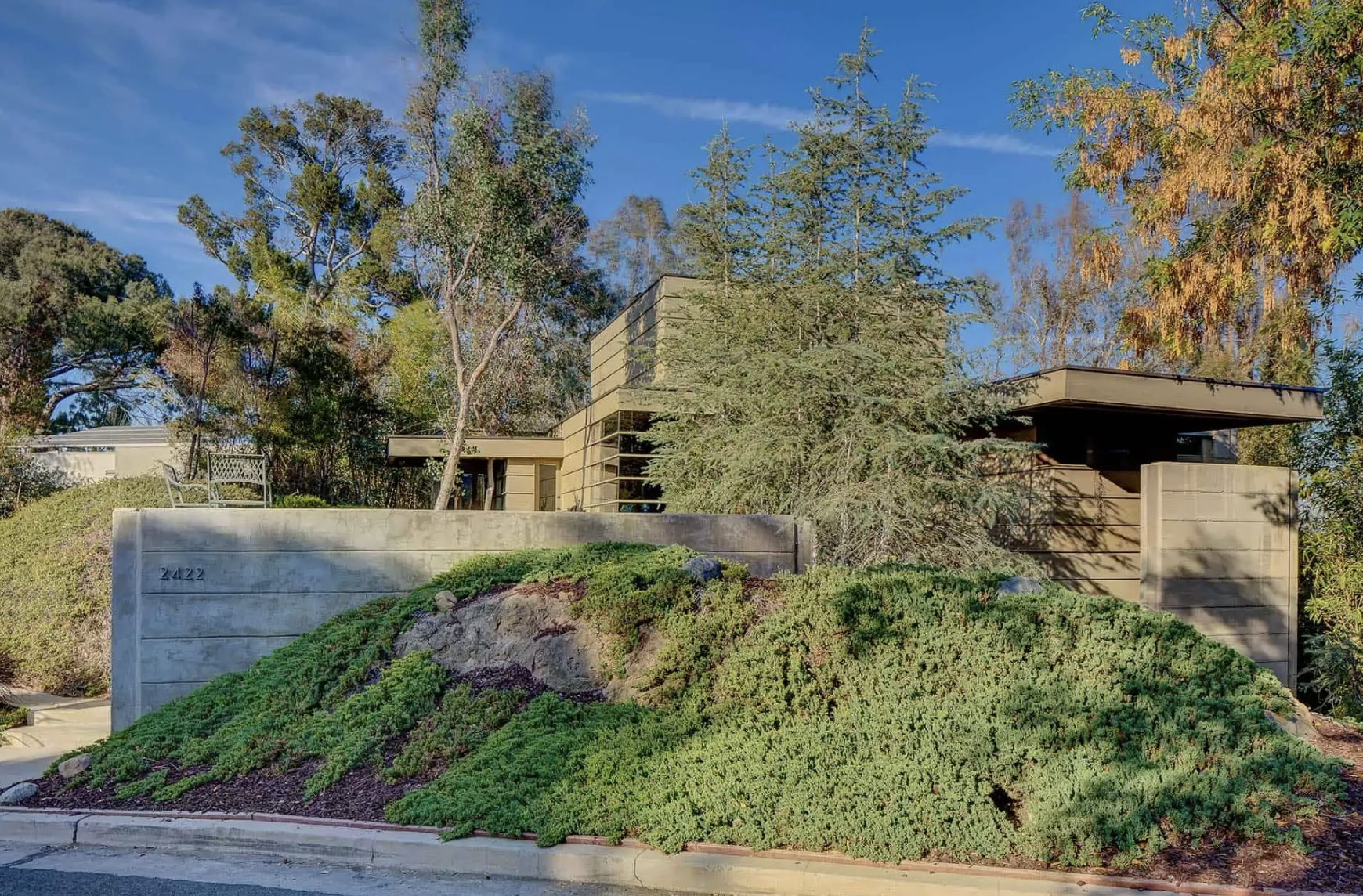
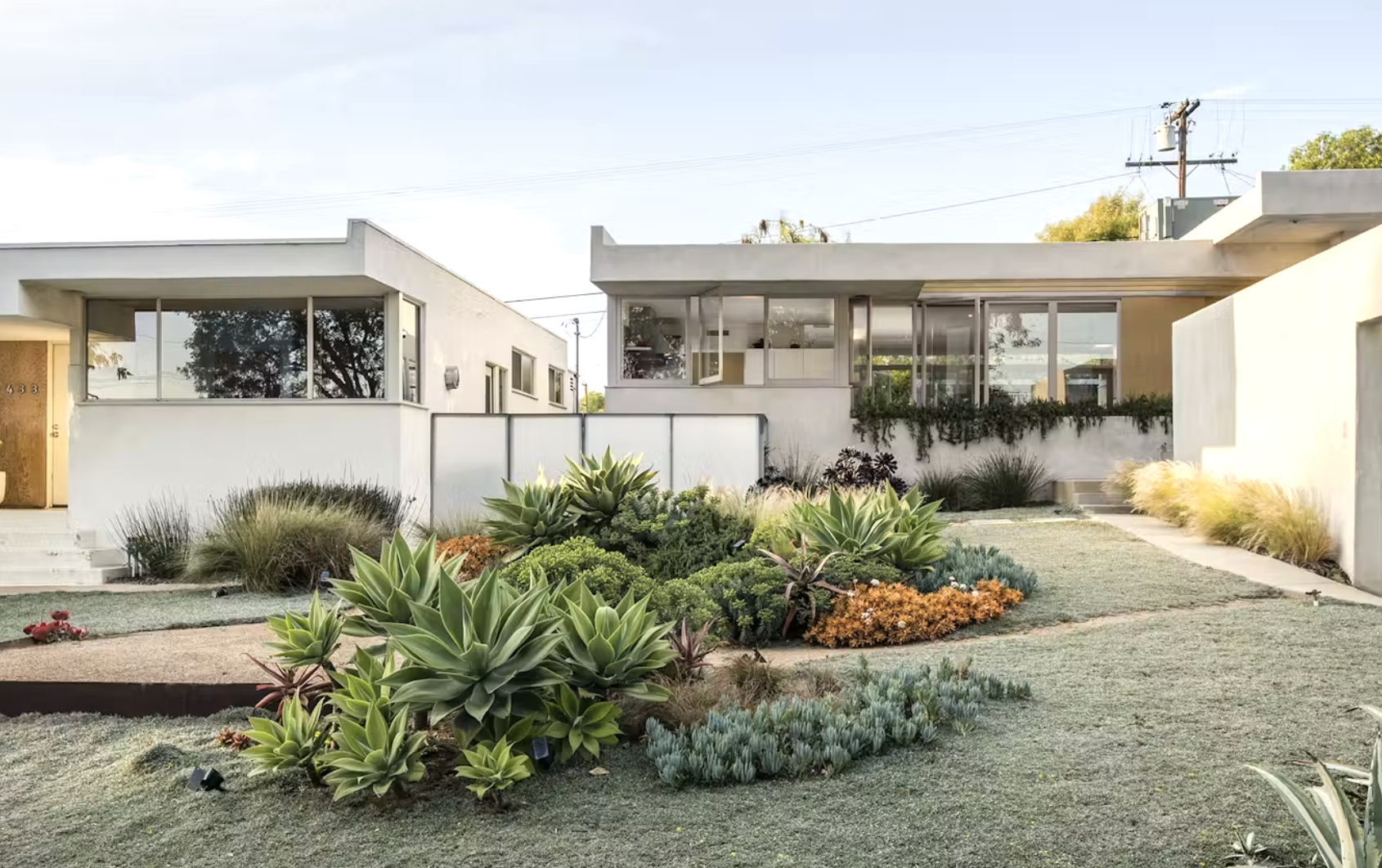
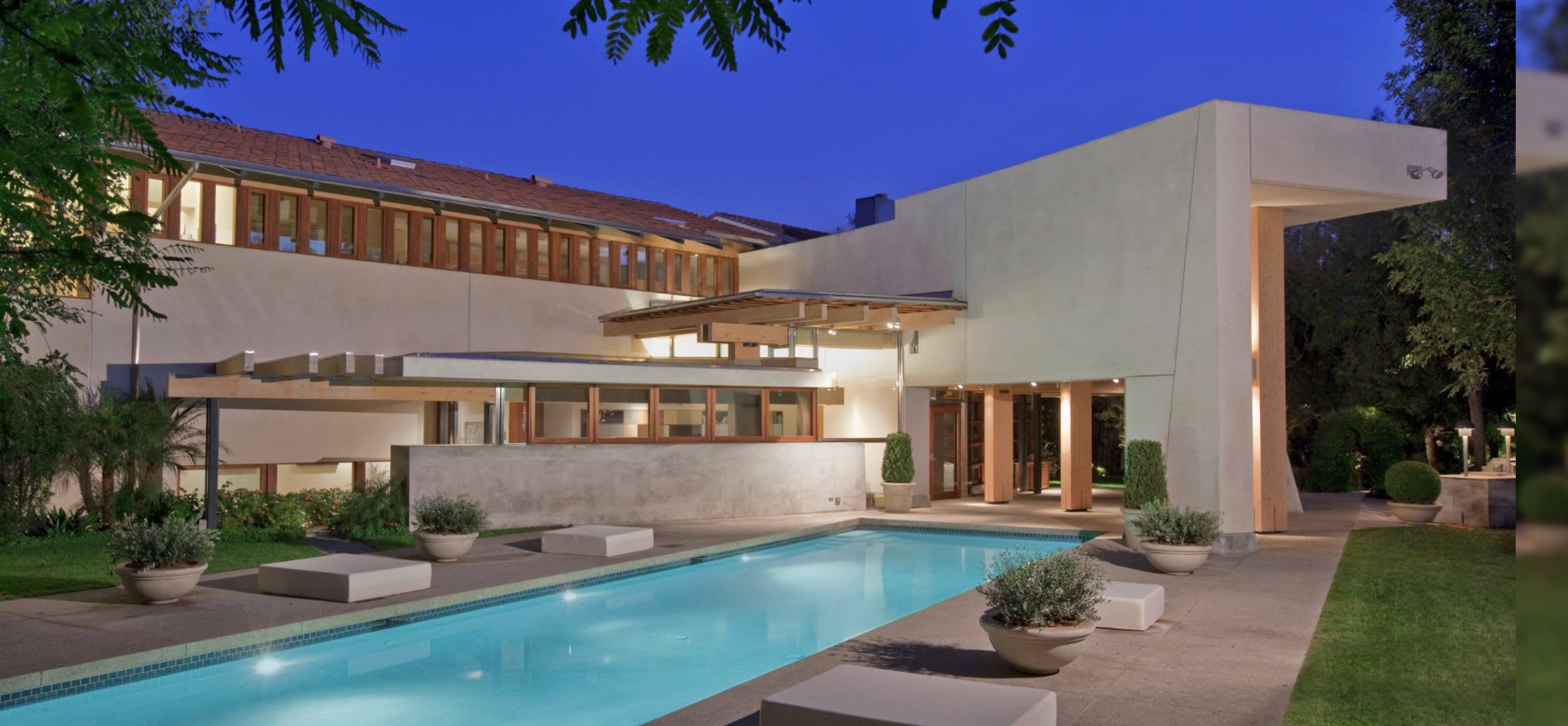
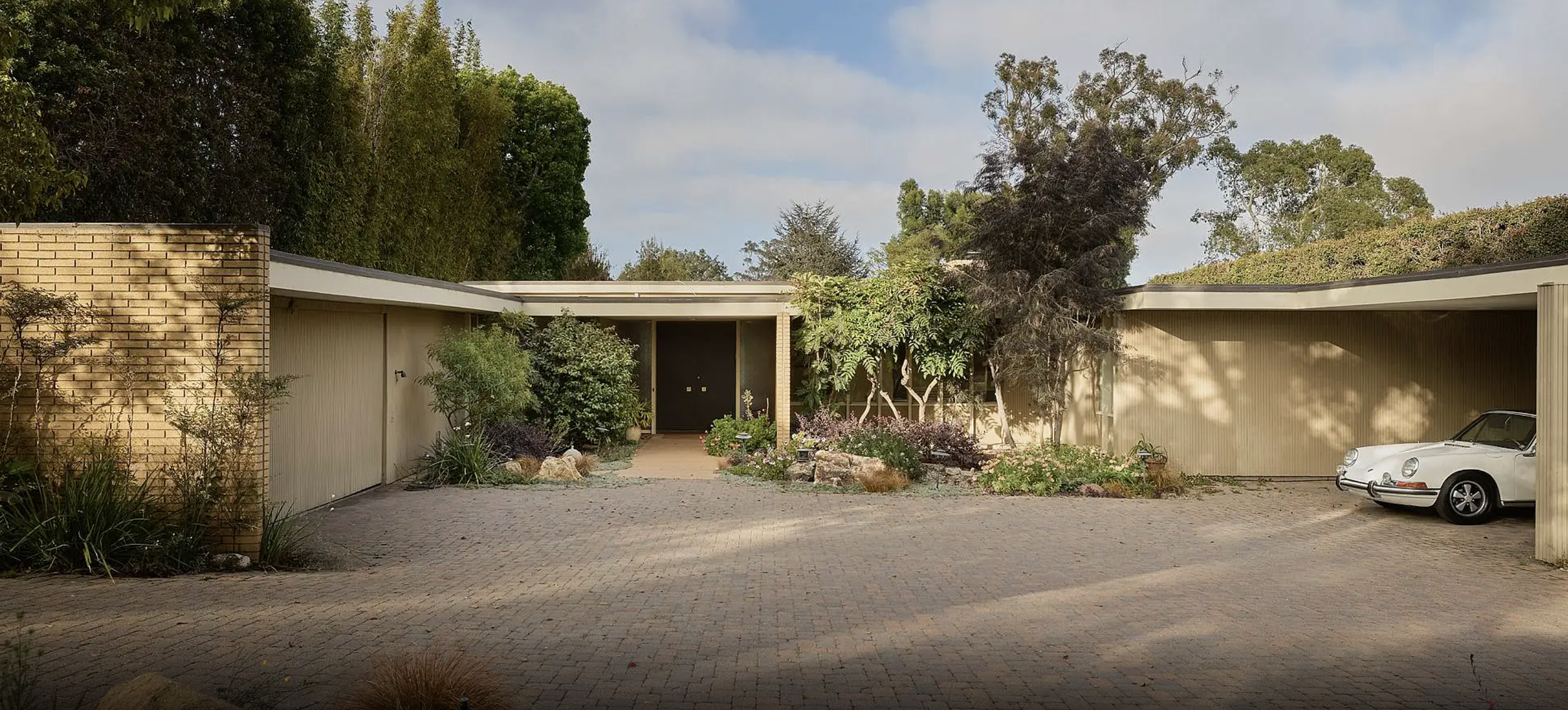
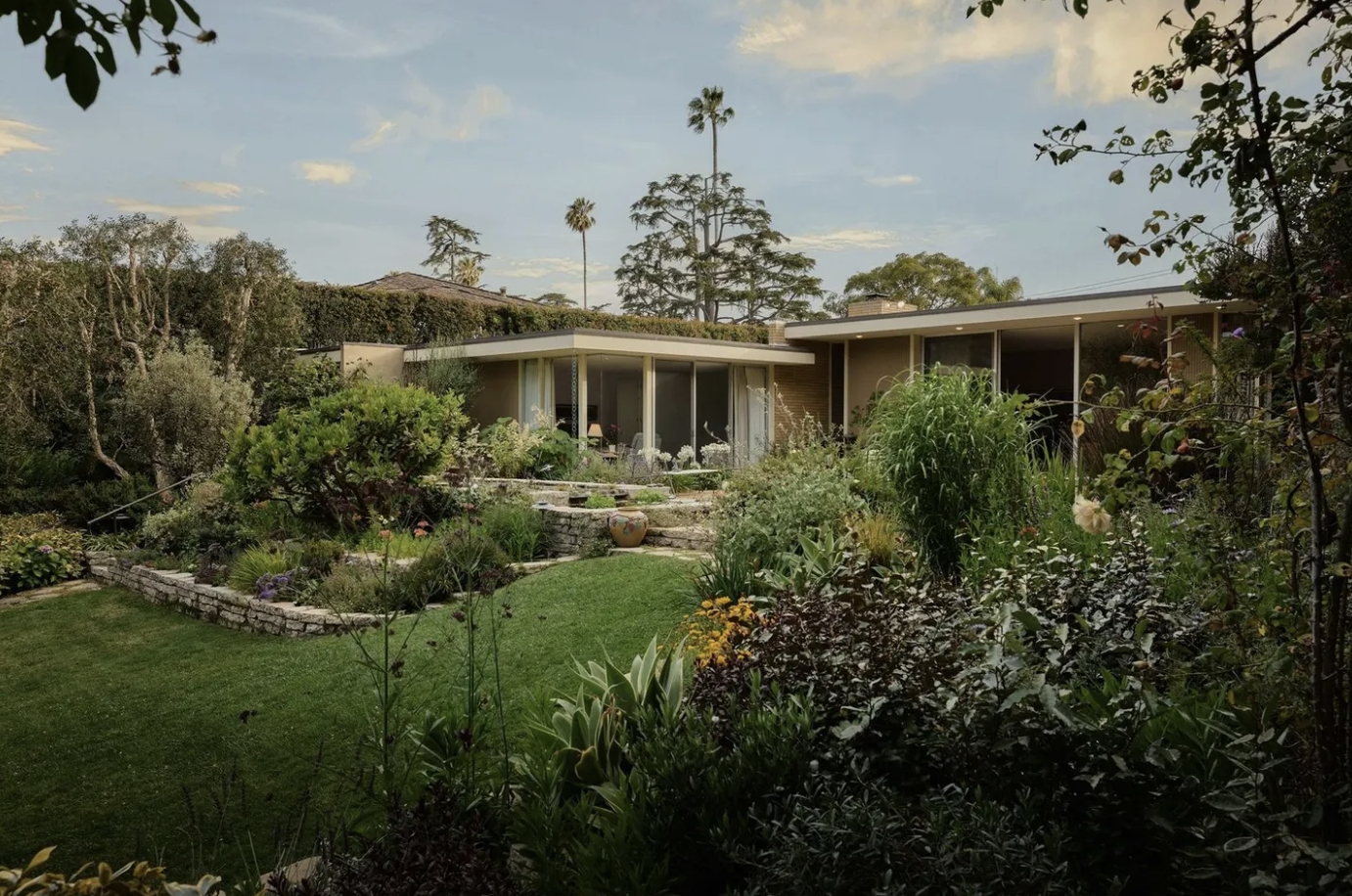
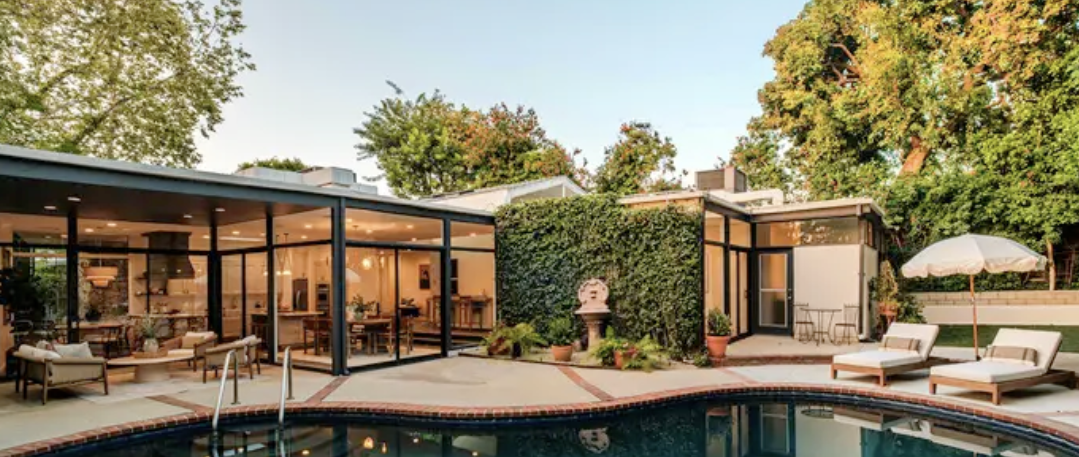
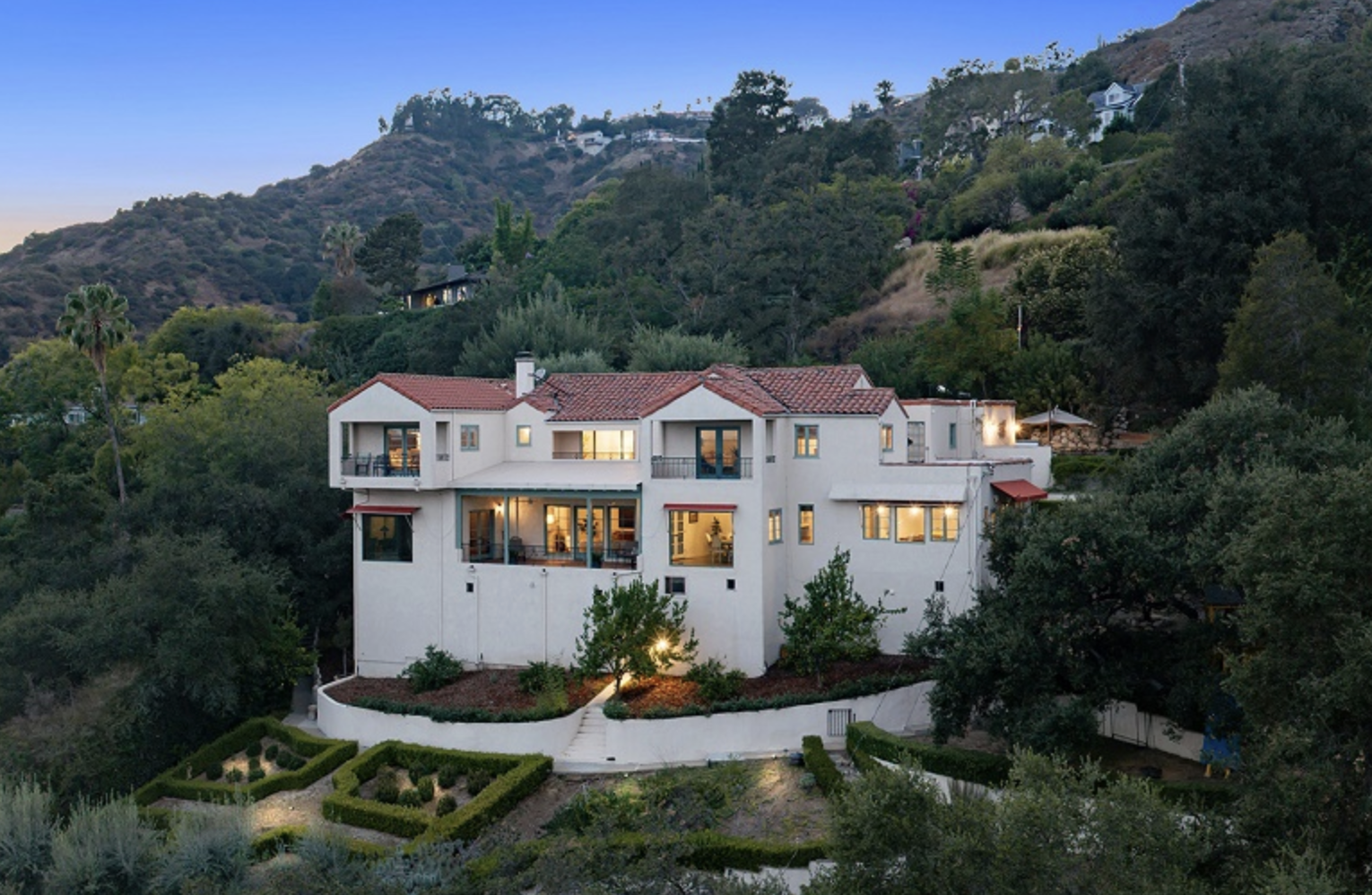
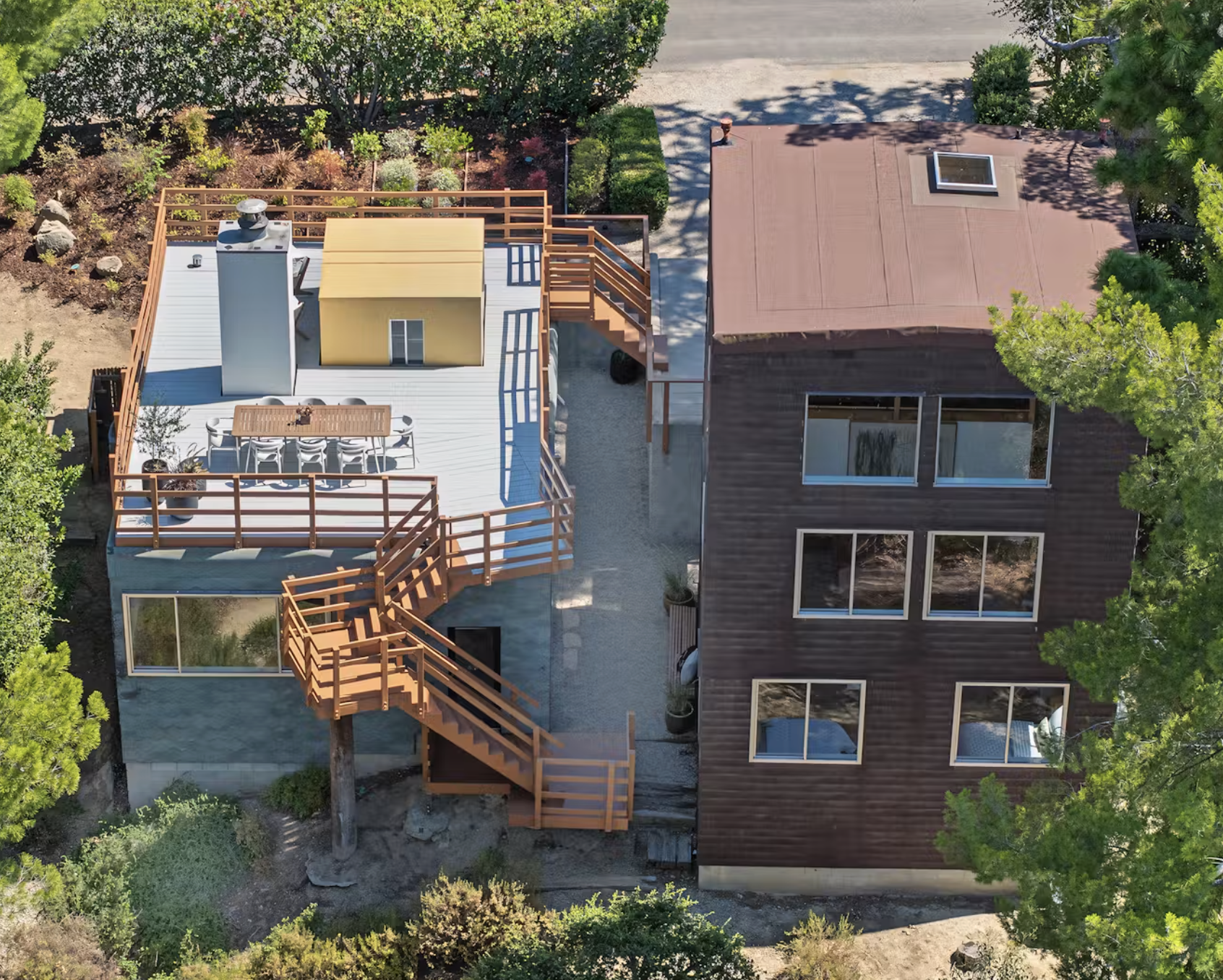
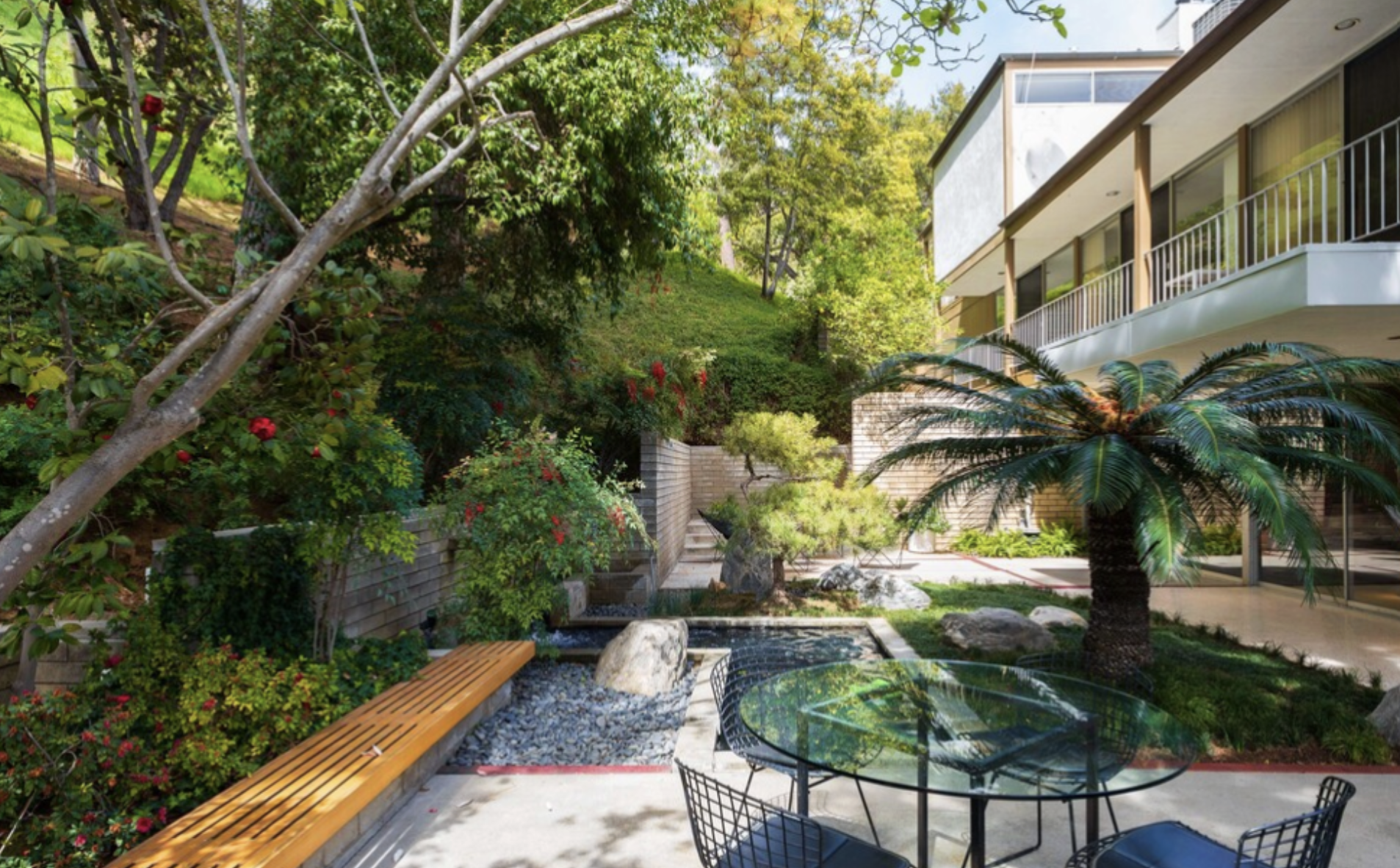
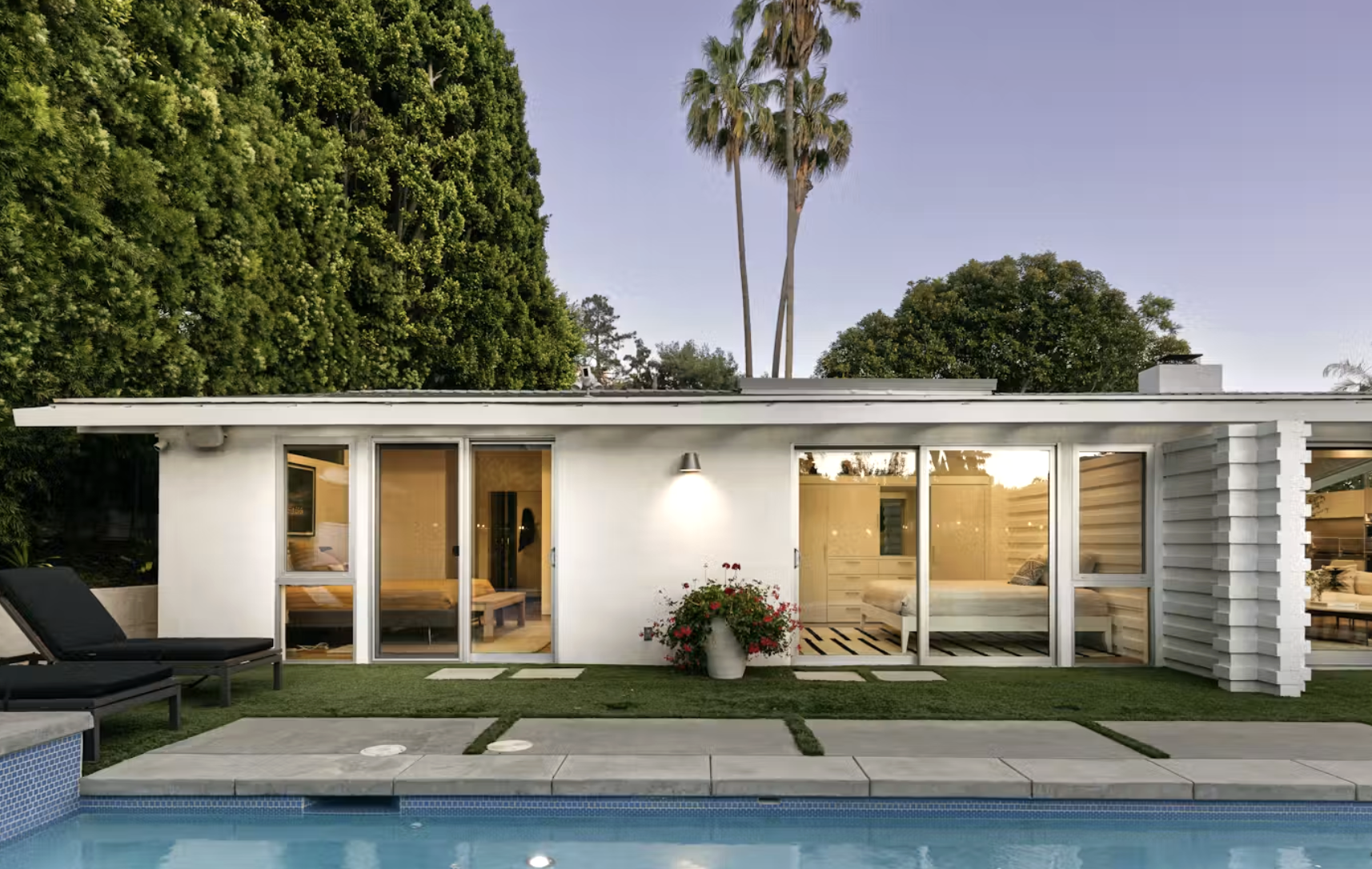
Gregory Ain modernist home in Los Angeles, an architect-designed midcentury property of the kind Debbie Pisaro represents across Mar Vista, Silver Lake, and Bel Air

In 1950, the director of the FBI called a Los Angeles architect the most dangerous architect in America. That architect's crime, in J. Edgar Hoover's view, was believing that good modern design should be available to ordinary people, and being unembarrassed about saying so.

The architect was Gregory Ain. The same year he was branded most dangerous, the Museum of Modern Art in New York was commissioning him to build a house in its courtyard. That contradiction, celebrated by the design establishment at the exact moment the political one was shutting him out, defines Ain's career. It also explains a great deal about why his homes remain so distinctive, so genuinely loved, and so worth owning today.

The Architect

Who was Gregory Ain?

Gregory Ain (1908 to 1988) was a Los Angeles modernist architect who trained under Richard Neutra from 1930 to 1935, and briefly under Rudolph Schindler, before opening his own practice in 1935. He devoted his career to what he called the common architectural problems of common people: well-crafted modern homes for working and middle-class families. His 1948 Mar Vista Tract was the first FHA-approved modernist tract development in Southern California, designated Los Angeles's first Modern historic district in 2003. Today his homes in Mar Vista, Silver Lake, Los Feliz, Bel Air, Altadena, Hollywood, Tarzana, and Mount Washington are among the most architecturally significant and Mills Act-eligible properties in the Los Angeles market.

Ain was born in Pittsburgh on March 28, 1908. His family moved to Los Angeles when he was young, and he never really left. He studied architecture at the University of Southern California in the late 1920s, then did the thing that shaped everything after: he went to work for Richard Neutra.

Those five years in Neutra's office, plus a consequential stint with Rudolph Schindler, gave Ain a foundation almost no other American architect of his generation could claim. From Neutra he absorbed the discipline: flat roofs, open plans, generous glazing, the precise integration of indoor and outdoor space. From Schindler he absorbed something warmer and arguably more important: a humane, improvisational approach to materials and to the way buildings should support actual daily life.

What he did with that inheritance set him apart from both mentors. His first solo commission, the Edwards House (1936) in Los Feliz Oaks, was named House Beautiful's House of the Year for 1938. His Dunsmuir Flats (1937 to 1938), now Los Angeles Historic-Cultural Monument No. 954, brought modernist spatial intelligence to multi-family rental housing, a far rarer achievement than single-family design. The awards came quickly, along with a Guggenheim Fellowship for low-cost housing research in 1940 and election to the AIA College of Fellows the same year.

The Eames Years

The Eames years at Evans Products

During World War II, Ain stepped away from residential practice to serve as Chief Engineer of the Evans Products Company Molded Plywood Division, where he worked directly with Charles and Ray Eames on the famous wartime molded-plywood leg splints and chairs (1944 to 1945). It is a chapter that gets less attention than the Mar Vista Tract, but it placed Ain at the center of one of the most important moments in twentieth-century industrial design.

The experience gave him deep engineering fluency in prefabrication, modularity, and the manufacturing constraints that govern what is actually buildable at scale. When he returned to architecture after the war, he came back with a sharper understanding of how to make good design repeatable.

The Philosophy

Modernism for the middle class

By the late 1930s, Ain had committed himself to a position that was, within his profession, genuinely radical. He believed modern architecture should not be reserved for clients who could afford one-of-a-kind commissions. He believed it could be produced thoughtfully, at scale, and made available to working families, without sacrificing quality. He spent the rest of his career trying to prove it.

That conviction shows up two ways. The first is flexibility. Many Ain houses use sliding panels and movable partitions so a single floor plan can adapt to families of different sizes. A two-bedroom plan reconfigures into a one-bedroom-plus-studio. A dining room expands into the living room for entertaining and contracts again for daily use. The architecture meets the family, not the other way around.

The second is restraint. Ain houses are not large for the sake of being large. They are precisely sized to the program, with rooms that have the dimensions they need and no more, built from honest materials: wood, glass, plaster, and brick, used where their natural properties solve a real problem. The result feels modest from the street and remarkably generous from within. Buyers who walk through an Ain home in 2026 tend to react the same way, that it feels designed for the way they actually live. That is not an accident.

Neutra built for industrialists. Schindler built for artists. Gregory Ain decided to build for everyone else.
The Mar Vista Tract

The Mar Vista Tract: modernism at scale

Ain's most consequential built work is the Mar Vista Tract, originally marketed as Modernique Homes and completed in 1948. Designed with landscape architect Garrett Eckbo and architects Joseph Johnson and Alfred Day, it comprised 52 houses on three streets, Meier, Moore, and Beethoven, in West Los Angeles. It was the first FHA-approved modernist tract development in Southern California.

Three Ain floor plans were offered, each with multiple elevations and orientations so no two houses on a block read identically, each with the signature Ain flexibility built in. In 2003, the tract became Los Angeles's first Modern Historic Preservation Overlay Zone. That designation matters enormously: it makes owners eligible for Mills Act contracts with the City of Los Angeles, which can cut annual property tax by 40 to 60 percent in exchange for preservation commitments. For an owner of a designated architectural home, that is one of the most powerful financial tools in California real estate.

The Mar Vista Tract, by the numbers
52
Houses
across Meier, Moore, and Beethoven Streets, completed 1948
1948
A first
the first FHA-approved modernist tract development in Southern California
40-60%
Tax reduction
available annually through a Mills Act contract on an eligible home
$1.23M
Historical comp
a tract home at 3539 Moore Street sold for $1,234,000 in 2014
1950

1950: the MoMA house and the FBI

The same year the Mar Vista Tract was finishing, Ain's career reached its critical and political extremes at once. Philip Johnson, then director of MoMA's architecture department, commissioned Ain to design an exhibition house for the museum's sculpture garden in New York. It was the second in MoMA's now-famous House in the Garden series, following Marcel Breuer's 1949 entry. Ain's house opened on May 19, 1950, and drew more than three times Breuer's visitors. On the most visible stage modernism had in America, it proved that flexible plans, modest scale, and livable proportions could speak to a national audience.

That same year, J. Edgar Hoover labeled Ain the most dangerous architect in America. The basis was Ain's politics: his belief that housing was a social good, his support for cooperative developments, his association with left-leaning Los Angeles intellectual circles. In the climate of McCarthyism, the label was disqualifying. Ain was kept out of the Case Study House program he should have been central to. Institutional and government commissions evaporated.

He kept designing through the 1950s and 1960s, but at a fraction of the volume his talent warranted. He was a Visiting Critic at USC from 1949 to 1963, then Dean of Architecture at Pennsylvania State University from 1963 to 1967. He died in Los Angeles on January 9, 1988, at 79. The MoMA exhibition house was sold and moved off-site after the show, then vanished from the record. A 2017 retrospective could present only a scale model. The original is presumed demolished.

The Lost Masterpiece

Community Homes: the project that was never built

Ain's most ambitious work was never constructed. Community Homes Cooperative (1946 to 1948) was a planned 280-home cooperative in Van Nuys, racially integrated by design, with a planned school, shopping center, and parkland. Designed with Joseph Johnson and Alfred Day, it was Ain's fullest expression of architecture as social practice. Among the prospective residents were actress Lena Horne and designer Saul Bass.

The Federal Housing Administration, bound by restrictive racial covenants and wary of Ain's political affiliations, blocked the development from federal mortgage backing. The FBI investigated the project. Without FHA support, Community Homes collapsed. The consequence reaches well past Ain's own career: it was the kind of thoughtful, integrated, design-driven postwar housing the country needed and largely did not get. Ain's most important project is, in many ways, the one that does not exist.

Buyer's note

Provenance is the first question, not the last. Some homes listed as Gregory Ain designs turn out to be the work of collaborators or contemporaries. The Ain archive, USModernist's catalog, and LA Conservancy records allow attribution and original-condition verification with a certainty that is rare for midcentury work. Verify before you fall in love.

Where the Homes Are

Where Gregory Ain homes are found in Los Angeles

Ain's residential work concentrates in a handful of Los Angeles neighborhoods, with smaller clusters in Altadena and the San Fernando Valley. The map below is where the search usually starts.

  • Mar Vista. The 1948 tract on Meier, Moore, and Beethoven Streets is the densest concentration of Ain homes anywhere.
  • Silver Lake. Several individually significant commissions, including the Tierman House (1938 to 1939), the Daniel House (1939), the Sharlin House (1939), and the landmark Avenel Cooperative Housing (1947 to 1948) at 2821 to 2851 Avenel Street.
  • Los Feliz Oaks. The Ansalem A. Ernst House (1937) at 5670 Holly Oak Drive is Historic-Cultural Monument No. 840, Mills Act-eligible, and one of Ain's earliest fully realized homes.
  • Bel Air. The Feldman Residence (1953 to 1954) at 1181 Angelo Drive, designed for Dr. Fred Feldman on nearly an acre near the Beverly Hills Hotel, is the canonical late-career example and a designated Historic-Cultural Monument.
  • Hollywood and the Valley. Verified commissions include the Margaret and Harry Hay House (1939) in Hollywood, the Brett Weston House and Studio (1940) in Santa Monica, and the Jocelyn and Jan Domela House and Studio (1942) in Tarzana.
  • Mount Washington and Laurel Canyon. The Albert Byler House (1937) sits in Mount Washington; Ain's own residence, the Gregory and Ruth March Ain House (1941), was in Laurel Canyon.
  • Documented collaborations. In 1936 Ain added a second story to Neutra's 1934 Galka Scheyer House at 1880 Blue Heights Drive, a direct line from mentor to protΓ©gΓ©. He also worked with architect James H. Garrott on the Silver Lake home at 2143 Panorama Terrace.
  • Altadena. The Park Planned Homes development (1946 to 1948), including the documented home at 2823 Highview Avenue, is a smaller-scale precursor to the Mar Vista Tract.

If a home is being marketed as an Ain in any of these areas, provenance comes first. Informal attributions are common and often wrong. The good news for serious buyers is that the documentation is increasingly accessible, which makes attribution and original-condition verification far more certain than it is for most midcentury work.

Why They Hold Value

Why Gregory Ain homes still command a premium

Three forces keep Ain homes valuable over time, and all three are working in an owner's favor.

Scarcity. Ain's total residential output was modest next to architects like Paul R. Williams, who produced more than 3,000 structures. The McCarthy-era blacklisting cut his career off at exactly the moment his peers were entering their most productive decades. The supply of Ain homes is genuinely finite and decreasing as some are lost to demolition or insensitive renovation.

Designation and Mills Act eligibility. On a well-valued Ain home, the Mar Vista HPOZ combined with a Mills Act contract can yield property tax savings of $25,000 to $50,000 or more a year. Over a long hold, that compounds into seven figures. Few instruments in California real estate match it.

Design integrity. A well-preserved Ain home ages elegantly in a way almost no other postwar tract product does. The flexible plans accommodate contemporary families with minimal renovation. The materials hold. The proportions stay right. Sophisticated buyers can tell a 1948 Ain that still works from a 2018 spec build that already feels dated, and the market prices the difference accordingly. For a fuller picture of how these homes are valued, see how to price an architectural home in Los Angeles.

Working With a Specialist

Working with a California architectural homes specialist

Buying or selling a Gregory Ain home is not the same as buying or selling a conventional house in the same zip code. The transaction rewards an agent who understands the architecture, the documentation, the HPOZ and Mills Act mechanics, and the small, sophisticated buyer pool that recognizes what an Ain home actually is. The wrong representation leaves real money on the table for sellers and real blind spots for buyers.

Debbie Pisaro has spent more than two decades representing architectural homes for sale in Los Angeles and across California, and is widely regarded as one of the best Los Angeles historic and architectural real estate agents working in the field today. Her practice is built around the architects who defined modernist Southern California, Gregory Ain, Richard Neutra, Rudolph Schindler, Paul R. Williams, Edward Niles, Edward Fickett, Greene and Greene, and John Lautner, and the homes they designed that remain in private hands. Debbie Pisaro works with sellers preparing to list a designated architectural property, with buyers searching specifically for a Gregory Ain home, a Mar Vista Tract Modernique, or a Bel Air midcentury, and with owners weighing Mills Act applications on eligible homes.

She also represents the buyers an Ain home so often attracts: longtime owners of significant Los Angeles homes thinking about what comes next, a move she explores in her piece on Los Angeles empty-nesters and branded residences. As a Studio City architectural homes agent and one of the best Los Angeles midcentury modern agents in practice, Debbie Pisaro brings the documentation fluency these transactions reward.

For a sense of the wider field, Debbie Pisaro covers Ain alongside the other architects in her work with architectural homes across Los Angeles, detailed further on her architectural homes specialist page and mapped on the Studio City architectural homes map. For statewide California, her independent brokerage is Coastline 840.

Architectural homes Β· Los Angeles and statewide California
Considering a Gregory Ain home?

Whether it is a Mar Vista Tract Modernique, a designated Historic-Cultural Monument, or any Mills Act-eligible property in Los Angeles or California, Debbie Pisaro would be glad to talk it through, from provenance to net.

Contact Debbie Pisaro
Frequently Asked Questions
Who was Gregory Ain?

Gregory Ain (1908 to 1988) was a Los Angeles modernist architect who trained under Richard Neutra and Rudolph Schindler and devoted his career to well-crafted modern homes for working and middle-class families. His 1948 Mar Vista Tract was the first FHA-approved modernist tract development in Southern California and the first home development designated a Modern Historic Preservation Overlay Zone by the City of Los Angeles.

What was the Mar Vista Tract?

The Mar Vista Tract, originally marketed as Modernique Homes, was a 1948 development of 52 modernist single-family houses on Meier, Moore, and Beethoven Streets in West Los Angeles. Ain designed the homes with collaborators Joseph Johnson and Alfred Day, and Garrett Eckbo handled the landscape. In 2003 it became Los Angeles's first Modern Historic Preservation Overlay Zone.

Why did J. Edgar Hoover call Gregory Ain the most dangerous architect in America?

Ain held progressive political views and argued that housing was a social good, including support for cooperative housing. In 1950, amid McCarthyism, FBI director J. Edgar Hoover applied the label to Ain on the basis of his politics and associations. The result was a sustained loss of major commissions, including exclusion from the Case Study House program, that shaped the second half of his career.

Are Gregory Ain homes eligible for the Mills Act?

Yes. Ain homes in the Mar Vista Tract HPOZ are eligible for Mills Act contracts with the City of Los Angeles. Ain homes elsewhere may also qualify if they are individually designated Historic-Cultural Monuments or contributing structures in another HPOZ. A Mills Act contract typically reduces annual property tax by 40 to 60 percent in exchange for preservation commitments.

Where are Gregory Ain homes located in Los Angeles?

Ain's work concentrates in Mar Vista (the 1948 tract), Silver Lake (the Avenel Cooperative and the Tierman, Daniel, and Sharlin Houses), Los Feliz Oaks (the Ernst House, HCM #840), Bel Air (the Feldman Residence at 1181 Angelo Drive), Mid-City (the Dunsmuir Flats, HCM #954), Hollywood (the Hay House), Mount Washington (the Byler House), Laurel Canyon (Ain's own residence), Tarzana (the Domela House), and Santa Monica (the Brett Weston House). Altadena holds the Park Planned Homes development.

Did Gregory Ain collaborate with Charles and Ray Eames?

Yes. During World War II, Ain served as Chief Engineer of the Evans Products Company Molded Plywood Division, where he worked directly with Charles and Ray Eames on the wartime plywood leg splints and chairs (1944 to 1945). The experience gave Ain deep fluency in prefabrication and modular construction that informed his postwar housing work, including the Mar Vista Tract.

What was Community Homes Cooperative?

Community Homes Cooperative was Ain's most ambitious project: a planned 280-home racially integrated cooperative in Van Nuys (1946 to 1948), with prospective residents including Lena Horne and Saul Bass. The Federal Housing Administration, citing restrictive racial covenants and Ain's political affiliations, blocked federal mortgage backing, and the project collapsed. It is the most consequential unbuilt project of his career.

Did Gregory Ain design a house for the Museum of Modern Art?

Yes. In 1950, MoMA's Philip Johnson commissioned Ain to design an exhibition house for the museum's sculpture garden in New York. It was the second in MoMA's House in the Garden series and drew more than three times the visitors of Marcel Breuer's prior exhibition. After the show, the house was reportedly sold and moved off-site; its whereabouts remain unknown, and it is presumed demolished.

Are Gregory Ain homes a good investment?

Ain homes tend to hold strong long-term value because of limited supply, HPOZ and Mills Act eligibility on many properties, and steady demand from design-focused buyers. The market for sensitively preserved or thoughtfully renovated Ain homes is small, sophisticated, and patient, and the right buyer pays a premium that conventional homes in the same neighborhood do not command.

Who specializes in selling Gregory Ain homes in Los Angeles?

Gregory Ain homes are a small, specialized segment of the Los Angeles architectural market, and selling one rewards an agent with documented experience in HPOZ properties, Mills Act mechanics, and the architectural buyer pool. Debbie Pisaro, founder of Coastline 840 and a 24-year veteran of California architectural real estate, represents buyers and sellers of Gregory Ain, Richard Neutra, Rudolph Schindler, and Paul R. Williams homes across Los Angeles and statewide California.

How do I find a Mar Vista Tract Modernique home for sale?

The Mar Vista Tract on Meier, Moore, and Beethoven Streets is a designated Historic Preservation Overlay Zone, and Modernique Homes within it rarely reach the open market. The fastest path to seeing what is available, including off-market and pocket listings, is working directly with an architectural homes specialist who maintains relationships with current tract owners. Most Mar Vista Tract sales never reach the MLS.

About the author

Debbie Pisaro is a Los Angeles architectural homes agent with 24 years of experience and the founder of Coastline 840, an independent, boutique California brokerage known for representing landmark architectural properties, from Case Study houses and midcentury landmarks to historic restorations and design-forward homes. She works with buyers and sellers of significant architectural and historic homes across Los Angeles and statewide California, with deep knowledge of the Hollywood Hills, Beverly Hills, Hancock Park, Studio City, Los Feliz, and Silver Lake markets.

Debbie Pisaro Β· California DRE #01369110 Β· Coastline 840, Side Inc. Β· debbie@coastline840.com Β· (310) 362-6429

✦ ✦ ✦
Studio City. Architectural homes. Local knowledge.

The Mahler / Adams Residence: Where a Sculptor's Studio Became a Work of Architecture

Interior of the Mahler Adams Residence showing high-ceiling open plan living space with hardwood floor inlays, Bel Air, Los Angeles

The Mahler / Adams Residence at 10335 Oletha Lane is an architecturally transformed Bel Air home β€” originally the open-air studio of Austrian-born sculptor Anna Mahler, daughter of composer Gustav Mahler β€” radically reimagined in 1998 by William Adams, FAIA, into a Miesian live/work retreat in Beverly Glen Canyon.

Some houses hold energy you can't explain until you know the story.

This one holds a century of it.

The address is 10335 Oletha Lane. The canyon is Beverly Glen. The Bel Air zip code is almost beside the point.

The Mahler / Adams Residence belongs to a lineage of Los Angeles homes where architecture and art are inseparable. That same sensibility drives the work of Barbara Bestor, one of LA's most respected contemporary architects, whose residential commissions, commercial interiors, and preservation work β€” including the restoration of John Lautner's Silvertop β€” continue to shape the city's architectural identity.

Explore More

Interested in an architecturally significant home in Los Angeles? Let's talk.

This is where Anna Mahler made her work.

Anna Mahler, Los Angeles

nna Mahler's Tower of Masks (1964) at the Franklin D. Murphy Sculpture Garden, UCLA β€” created during her Beverly Glen studio years

Anna Justine Mahler (1904–1988) was an Austrian sculptor β€” the daughter of composer Gustav Mahler and his wife Alma Schindler. She arrived in Los Angeles around 1950, part of a remarkable wave of European intellectuals and artists who had fled Hitler's Europe and found, against all odds, a second life in the California sun. Living in Beverly Glen among a community of cultural exiles β€” musicians, artists, and intellectuals β€” her Los Angeles years became the most prolific period of her career.

Her rΓ©sumΓ© was formidable long before she set up her open-air studio on Oletha Lane. She sculpted bronze portrait heads of many of the musical giants of the 20th century β€” Arnold Schoenberg, Alban Berg, Otto Klemperer, Bruno Walter, Rudolf Serkin. Her standing figure of a woman won Grand Prix at the Austria Pavilion of the 1937 Paris World Fair.

The losses that preceded her California chapter were staggering. Nearly all of her major works dating from before the war were destroyed when an Allied air raid struck her abandoned studio in Vienna. What survived was her discipline, her vision, and eventually, this canyon.

It was during her Beverly Glen years that she created her most monumental work β€” The Tower of Masks (1964), permanently installed at UCLA's Franklin D. Murphy Sculpture Garden, where it stands today. If you've never made the pilgrimage to that garden, this is your reason to go.

The book chronicling her work opens with views of Anna Mahler's open-air studio at Oletha Lane β€” introducing readers immediately to the range of her creativity. She worked here through the 1950s and 1960s, carving stone directly, often without a preliminary sketch, letting the will of the material guide her hand.

William Adams and the Radical Transformation

In 1998 β€” a decade after Mahler's death β€” architect William Adams, FAIA, was brought in to reimagine the property. The approach was pure Mies. Adams stripped away the original interior walls and ceilings entirely, creating a continuous, light-filled open plan guided by the principle of less is more.

What makes the result so quietly extraordinary is the gesture of remembrance embedded in the floor. The locations of the home's previous walls are marked by dark timber inlays in the hardwood β€” a kind of architectural archaeology, honoring what was removed by recording where it once stood. Adams didn't erase Mahler's rooms. He memorialized them underfoot.

He also raised one section of the roof to create a dramatic skylight above the living room β€” flooding the space with exactly the quality of light a sculptor would have wanted. Whether intentional homage or architectural intuition, it feels right.

The result is a spacious, high-ceilinged living and dining space with fireplace, a remodeled kitchen with stainless appliances and corner banquette, and a primary bedroom with en suite bath and walk-in closet fitted with handcrafted mortise-and-tenon cabinetry. A second bedroom opens directly to the exterior β€” into the canyon β€” in the way that only a hillside home in Los Angeles can manage.

The Canyon, the Deck, the Light

A large deck overlooks Beverly Glen canyon, sheltered by a canopy of shade trees. This is Southern California residential architecture doing what it does best β€” dissolving the boundary between inside and out, between the made world and the wild one.

The home measures 1,630 square feet on a third of an acre. It has recently been relisted at $1,589,000 by Robert Moore and Veronika Sznajder of Crosby Doe Associates. The full photo essay ran in Dwell β€” you can see it here.

About the Author

Debbie Pisaro β€” Founder, Coastline 840 | DRE #01369110

Debbie Pisaro is a Los Angeles luxury real estate agent with 24 years of experience specializing in architectural, historic, and design-forward homes across LA β€” from Craftsman bungalows in Silver Lake to mid-century moderns in the Hills. She writes about California's most significant properties at debbiepisaro.com.

Why This Home Matters

Bel Air produces a certain category of listing that leads with zip code and stops there. This is not that house.

The Mahler / Adams Residence earns its name in both directions. Anna Mahler spent the most creatively abundant years of her life working stone in this canyon, at this address. William Adams spent his 1998 intervention in genuine dialogue with that history β€” removing, memorializing, opening, illuminating β€” and produced something that honors an artist's space by becoming, itself, a work of architecture.

Los Angeles has always been a city of second acts, of reinvention, of people arriving from somewhere else and making something entirely new from what they found. This house is that story told in timber inlays and skylight and canyon air.

FAQ: The Mahler / Adams Residence, Bel Air

Who was Anna Mahler, and what is her connection to this property? Anna Mahler (1904–1988) was an Austrian sculptor and the daughter of composer Gustav Mahler. She used the Beverly Glen property at 10335 Oletha Lane as her open-air studio and residence during her Los Angeles years, roughly the 1950s and 1960s. Her major work, The Tower of Masks (1964), is held by UCLA at the Franklin D. Murphy Sculpture Garden.

Who was the architect of the 1998 transformation? William Adams, FAIA, redesigned the home in 1998, removing the original interior walls and ceilings, opening the roofline to create a dramatic skylight, and honoring the original floor plan with dark timber inlays where the walls once stood. The redesign is guided by the Miesian principle of "less is more."

Where exactly is 10335 Oletha Lane located? Oletha Lane is in the Beverly Glen neighborhood of Los Angeles, which carries the prestigious 90077 Bel Air zip code. Beverly Glen Canyon is centrally located between Bel Air, Westwood, and Sherman Oaks β€” a sylvan pocket deeply connected to Los Angeles's mid-century bohemian and intellectual history.

What are the key features of the home? The home is approximately 1,630 square feet with a high-ceiling open-plan living and dining area, fireplace, remodeled kitchen with corner banquette, a primary bedroom with en suite bath and handcrafted mortise-and-tenon closet cabinetry, a second bedroom that opens to the exterior, a hillside deck with canyon views, and EV charging. Parking for up to six cars.

Is this property a Historic-Cultural Monument? As of this writing, the Mahler / Adams Residence does not appear on the City of Los Angeles HCM register, though its provenance β€” as the documented studio of a major 20th-century sculptor β€” makes it a compelling candidate for future designation. If you're interested in historically protected architectural homes in Los Angeles, see my ongoing HCM series.

What is the asking price, and who holds the listing? The home is listed at $1,589,000 by Robert Moore and Veronika Sznajder of Crosby Doe Associates. I am not the listing agent; this post is part of my editorial series on architecturally significant homes in Los Angeles.

The Hackett House: A Frank Lloyd Wright Legacy Hidden in Studio City's Hills

Hackett House at 3370 Canton Lane Studio City designed by Taliesin Fellow James De Long 1979

The Hackett House: A Frank Lloyd Wright Legacy Hidden in Studio City's Hills

There's a house on Canton Lane in the hills above Studio City that most people drive past without knowing what they're looking at. It doesn't announce itself. It doesn't try to. It sits low against the hillside, wide cantilevered overhangs sheltering the entry, fine wood detailing visible through walls of glass. To someone who knows the language, it reads immediately. To everyone else, it just looks like a very beautiful, very quiet home.

That's exactly what James De Long intended.

A Teenager, a House, and a Lifelong Obsession

De Long was born in Eagle Rock in 1921. As a teenager, he visited the Millard House β€” Frank Lloyd Wright's 1923 textile block masterpiece just up the road in Pasadena β€” and something in him locked into place. He wanted to build like that. He wanted to understand how a building could feel like it grew from its site rather than being placed on it.

It took him years to get there. He studied, worked construction in Alaska, served in the Army Air Corps, and eventually landed an apprenticeship that would define the rest of his career. In July 1946, he was accepted into Wright's Fellowship at Taliesin in Spring Green, Wisconsin β€” the legendary program where Wright trained the next generation of architects not in classrooms but by working alongside him on actual buildings.

De Long spent nearly a year at Taliesin, studying Wright's Usonian principles β€” the design philosophy Wright developed for modest, livable, American family homes that honored materials, embraced the landscape, and rejected pretension. He made detailed drawings of the Goetsch-Winckler House. He worked as a project draftsman directly under Jack Howe, Wright's chief draftsman, on multiple live commissions. He absorbed everything.

Then he came back to Los Angeles and spent the next fifty years quietly building it out.

The Usonian Idea, California Style

Wright's Usonian houses were revolutionary in their simplicity. Single story. Carport instead of garage. Radiant floor heating. No attic, no basement. Wood, brick, and glass. An L-shaped plan that separated the bedroom wing from the living areas, with the kitchen β€” Wright called it the "workspace" β€” at the hinge point. Every element purposeful. Every room connected to the garden.

De Long took that framework and adapted it to the specific conditions of Southern California β€” the light, the hillside sites, the indoor-outdoor life that defines how Angelenos actually want to live. Where other Wright apprentices moved toward new geometries or elaborate Wrightian ornament, De Long stayed anchored to the fundamentals. As architectural historians have noted, his importance lies in the continuity he represents β€” a sober, faithful development of the original Usonian idea across fifty years of practice in Los Angeles.

At the Hackett House, those principles are readable in every detail. The wide cantilevered overhangs don't just shade the interior β€” they serve as the second carport, the way De Long almost always handled that problem: function and form inseparable, never bolted on. The step-down living room creates a sense of shelter and enclosure without walls. The fine wood detailing moves through the interior as a continuous material thread, connecting rooms the way Wright's built-in furniture connected spaces in his Usonian originals. Multiple French doors dissolve the boundary between inside and the canyon beyond.

The result is architecture that feels both timeless and quietly radical. No flash. No ego. Just a building that knows exactly what it is and where it is.

Ten Years at House Beautiful β€” and What It Did to His Eye

In 1963, something unusual happened for a practicing architect: De Long accepted an invitation from editor Elizabeth Gordon to join House Beautiful magazine as its architecture editor. He would stay for more than a decade, dividing his time between Los Angeles and New York until 1974.

It would be easy to read that chapter as a detour. It wasn't.

As architecture editor at one of the country's most influential shelter magazines during the height of the American design conversation, De Long spent ten years looking at β€” and writing about β€” the best residential architecture being produced anywhere. He wrote major critical essays. He tracked the ways Wright's ideas were being extended, diluted, misread, and occasionally honored by a new generation of architects. He developed an eye for what distinguished a truly resolved building from a merely competent one.

When he returned to full-time practice in Los Angeles in 1974, that editorial sharpness came with him. His later work β€” including the Hackett House, which had been designed in the 1960s but wasn't built until 1979 β€” reflects a designer who had spent a decade thinking rigorously about what makes a house genuinely livable over time, not just visually striking at the moment of completion. It's no accident that the Hackett House photographs beautifully but rewards the experience of actually being inside it even more.

De Long also used his platform at House Beautiful to champion the ongoing relevance of Wright's Usonian principles at a moment when architecture was moving hard toward new geometries and materials. He was, in the best sense, an advocate β€” someone who understood that the ideas Wright had developed in the 1930s and 1940s were not nostalgic but genuinely unfinished, still capable of producing buildings that felt fresh and right.

3370 Canton Lane: The Hackett House

The Hackett House was designed in the 1960s for Mr. and Mrs. Lloyd Hackett and built in 1979 β€” a long gestation that speaks to the care De Long brought to every project. The site is in the Santa Monica Mountains above Studio City, a hillside setting that called for exactly the kind of site-specific thinking De Long had studied at Taliesin.

The house delivers. Wide cantilevered overhangs shelter the exterior and create the second carport β€” function and form inseparable. Fine wood detailing moves through the interior, accentuating volumes and connecting the spaces. A step-down living room anchors the public rooms. Multiple French doors dissolve the boundary between inside and the gardens beyond. And from an upper level orchard and pergola, panoramic canyon views open across the hills β€” the kind of view that makes you understand why someone would spend sixteen years getting a house exactly right before breaking ground.

The Hackett House is not on a tour. It is not a museum. It is a private home in a Studio City canyon, sitting on its hillside the way De Long's teacher always said a building should β€” as though it had always been there.

Why De Long Matters in Studio City

Studio City has always attracted architects who were serious. Schindler built six houses here. Neutra built two. Lautner left his mark on Berry Drive. Soriano built El Paradiso, his all-aluminum landmark, in the Reklaw Drive hills. The neighborhood is a living gallery of mid-century and modernist ambition.

De Long belongs in that conversation. His two earliest houses β€” the Wolford and Scholfield residences on Mount Washington β€” were designated Los Angeles Historic-Cultural Monuments in 1995. The Los Angeles Conservancy gave him its Modern Master Award in 2011, recognition it reserves for architects of genuine and lasting significance. He received a letter of recommendation from Frank Lloyd Wright himself. And on Canton Lane, he left behind something rare: a building where the Wright influence is not borrowed or referenced but genuinely understood β€” translated into a California hillside by someone who learned it from the source, then spent a decade thinking and writing about what that source really meant.

That combination β€” the Taliesin training, the editorial years, the fifty-year commitment to a single set of architectural principles β€” is what makes the Hackett House something more than a beautiful hillside home. It's a direct line to one of the most important ideas in American residential architecture, expressed quietly on a canyon street in Studio City.

Studio City's Architectural Map

The Hackett House is one of more than 30 architecturally significant homes I've documented across Studio City β€” from Schindler's Reklaw Drive cluster to the USC Case Study houses on Laurelcrest, from Gregory Ain's Tufeld Residence on Wrightwood Place to Cliff May's Dawson House in Fryman Canyon.

If you're drawn to homes with this kind of depth β€” houses that have a story, an author, and a point of view β€” Studio City is one of the richest neighborhoods in Los Angeles to look. The best of them rarely come to market publicly. When they do, they move fast.

πŸ‘‰ Explore Studio City's architectural homes β†’ πŸ‘‰ Gregory Ain's Tufeld Residence in Studio City β†’ πŸ‘‰ The USC Case Study Houses on Laurelcrest β†’ πŸ‘‰ See the full Studio City architectural homes map β†’

I've been selling architectural homes in Studio City for over two decades. If you want to know what's available β€” including homes that never hit the MLS β€” reach out directly.

debbie@coastline840.com Β· (310) 362-6429

Further reading: James De Long Papers β€” UCSB Architecture & Design Collection Los Angeles Conservancy β€” Modern Master Award

One of Five: A 1961 USC Case Study Home That Actually Survived

Studio City . Architectural Homes
One of Five: The 1961 USC Case Study Home on Laurelcrest Drive

A restored post-and-beam residence in the Studio City hills, one of five homes attributed to Chapman and McCorkell, and a study in how preservation and modernization can be the same project.

Approach to a 1961 Chapman and McCorkell USC Case Study post-and-beam home in the Studio City hills, framed by drought-tolerant landscaping and evening uplighting
Drought-tolerant landscaping and dramatic uplighting frame the approach to this 1961 Chapman and McCorkell design on Laurelcrest Drive in Studio City.

At the end of a quiet Studio City cul-de-sac sit five homes that share an unusual origin. They were built in 1961 as a USC Case Study project, attributed in the property record to Chapman and McCorkell, and one of them, at 11534 Laurelcrest Drive, survived the decades that erased so many of its peers. Most experimental midcentury houses in Los Angeles were demolished or remodeled past recognition. This one was restored with restraint, and it recently changed hands. What follows is a profile of the home and what it represents, written for buyers and owners who care about architectural provenance in Studio City.

The residence reads as a three-bedroom, three-bath post-and-beam home of 2,209 square feet on a 7,273-square-foot hillside lot. Those numbers describe the envelope. They do not describe why a house like this matters, or why Debbie Pisaro has spent years documenting Studio City's architectural homes rather than treating them as ordinary inventory. The value here is lineage paired with intelligent modernization, and that combination is increasingly difficult to find.

The Definition

What is a USC Case Study home in Studio City?

A USC Case Study home in Studio City refers to a small group of five experimental post-and-beam residences on Laurelcrest Drive, built in 1961 and attributed in the property record to the firm Chapman and McCorkell. The project tested how modern construction could respond to a steep hillside site, the San Fernando Valley climate, and the way people actually live. It is a separate effort from the far better known Arts and Architecture Case Study House program, and conflating the two is a common error worth clearing up.

The Arts and Architecture program ran from 1945 to 1966 under editor John Entenza, commissioned roughly three dozen prototype houses, and drew architects including Charles and Ray Eames, Richard Neutra, and Eero Saarinen. The Laurelcrest project carries the Case Study label in a different, more local sense. Documentation on Chapman and McCorkell as a firm is thin in the architectural literature, so the honest framing is the one the record supports: five homes, one cul-de-sac, 1961, and a shared experimental intent. The neighboring home at 11526 Laurelcrest is described the same way in its own listing history, which corroborates the cluster.

Original two-story post-and-beam glazing framing San Fernando Valley views at the 1961 USC Case Study home at 11534 Laurelcrest Drive in Studio City
The two-story glazing is original to the 1961 design. Post-and-beam construction freed the walls to become glass.
The Architecture

Why the architecture matters

Post-and-beam construction freed midcentury architects from load-bearing walls. Structure became a skeleton of vertical posts and horizontal beams, walls became glass, and the result was light, openness, and direct access to the landscape. Those are the defining characteristics of Southern California living, and on Laurelcrest they are not a stylistic gesture. They are the building.

At this home, two-story windows frame jetliner views of the San Fernando Valley. The structural lines are clean and expressive, and the design is honest in a way that feels foreign to most new construction, where columns and beams are hidden behind drywall. Here the frame is the architecture. That clarity is exactly what design-forward buyers respond to, and it is the first thing Debbie points out when she walks a client through a post-and-beam home for the first time.

Living room interior of the Studio City USC Case Study home showing original post-and-beam structure, exposed beams, and preserved maple hardwood floors
Original post-and-beam structure allows uninterrupted valley views and the open flow that defines California midcentury living.
By the numbers
1961
Year built
Built as part of a five-home USC Case Study project on Laurelcrest Drive.
5
Homes in the cluster
The full extent of the Chapman and McCorkell project, all on one Studio City cul-de-sac.
2,209
Square feet
Three bedrooms and three baths across two levels on a 7,273-square-foot hillside lot.
The Lineage

Chapman and McCorkell, and the wider Studio City lineage

Chapman and McCorkell belong to the post-war generation of Los Angeles designers who adapted modernist principles to the region's climate and topography. Their Laurelcrest project sits inside a deeper Studio City story, one that Debbie Pisaro has mapped property by property. The hills above Ventura Boulevard hold an unusually dense concentration of architectural homes, and the USC Case Study cluster is one node in that network rather than an isolated curiosity.

For context, consider the range. Studio City claims a Frank Lloyd Wright connection through the James De Long Hackett House, a stock of Gregory Ain and other progressive midcentury residences, and a hillside vernacular of post-and-beam homes that share the same structural logic as Laurelcrest. Set against the Arts and Architecture Case Study Houses scattered across greater Los Angeles, the USC project reads as a smaller, more local experiment in the same modernist conversation. That comparison is the point. A buyer who understands where a home sits in the lineage is buying provenance, not just square footage, and provenance is what holds value. You can browse the full picture through Debbie's collection of historic and architectural homes and the interactive Studio City architectural homes map.

Modernization and preservation are not opposing forces. Done right, they are the same project.
The Restoration

What was preserved, and what was upgraded

Restraint is the word for the restoration. Original maple hardwood floors run throughout. Period lighting fixtures remain in place. A two-sided fireplace anchors the living spaces, and the double-height glazing reinforces the vertical drama without reading as a renovation trying too hard. Nothing was erased, and nothing was overdone, which is harder to pull off than it sounds.

The upgrades were placed where they would not fight the architecture. The kitchen pairs fireclay tile with Bosch appliances and a waterfall island, contemporary but not stylistically combative. Behind the finishes sit the systems that make a 1961 house livable in 2026: a newer roof, an updated electrical panel, new HVAC, extensive solar, and EV charging. The home also carries wildfire certification from the Insurance Institute for Business and Home Safety, following mitigation work by Madronus Wildfire Defense. In the Studio City hills, that certification is not cosmetic.

Renovated midcentury kitchen at the Studio City USC Case Study home with fireclay tile, Bosch appliances, and a waterfall island
The renovated kitchen pairs fireclay tile with Bosch appliances, contemporary upgrades that respect the architectural integrity.

Upstairs, three light-filled bedrooms open to panoramic valley views, and the primary suite connects to an expansive deck with 180-degree vistas, a private platform above the city. Outside, a heated lap pool with a resistance swim jet sits within drought-tolerant landscaping designed for low water use. Every one of these moves serves the same goal: keep the 1961 architecture intact while making the home work for how people live now.

Buyer's Note

In the Studio City hills, wildfire certification is not a marketing line. It can affect insurance availability, premiums, and resale value, which makes it structural insurance for the investment itself.

Heated lap pool with resistance swim jet surrounded by drought-tolerant landscaping at the 1961 USC Case Study home in the Studio City hills
A heated lap pool with resistance swim jet, surrounded by sustainable, drought-tolerant landscaping.
The Location

The location calculus

Laurelcrest Drive sits in one of Studio City's most sought-after hillside pockets, a neighborhood known for its architectural significance and its lifestyle. The home is minutes from Ventura Boulevard, close to the Fryman Canyon trails, near the Studio City Farmers Market, and zoned for award-winning schools. The equation is privacy plus accessibility, a formula that consistently draws buyers who want nature without isolation.

That geography is also why the architectural homes here hold their value. Studio City's hillside pockets are finite, the lots do not multiply, and the supply of genuinely significant midcentury homes shrinks every year as more are demolished or stripped. For the wider Los Angeles context, Debbie's roundup of iconic architectural homes places the Laurelcrest cluster among the city's better-known landmarks, and her work across the Coastline 840 network extends that same architectural lens statewide.

Primary suite deck with 180-degree panoramic San Fernando Valley views above the Studio City hills at the USC Case Study home
The expansive primary suite deck offers 180-degree panoramic views above the Studio City hills.
The Buyer

Who buys a home like this

Not everyone, and that is the point. A home like this attracts buyers who value architectural provenance over new-build minimalism, who understand the difference between a renovation and a reinvention, and who want sustainability built into the foundation rather than bolted on. They care about views, but they will not trade neighborhood character to get them. The psychology around these homes is not driven by square footage.

Because this particular home has sold, the practical question for most readers is no longer this address, it is how to find or value a comparable one. That is where local knowledge earns its keep. The Studio City hills hold post-and-beam homes in widely varying condition, and the gap between a sensitively restored example and one with deferred systems or unsympathetic remodels can be enormous. As a Los Angeles historic and architectural real estate agent, Debbie Pisaro helps buyers read those differences before they fall in love with a listing, and she helps owners of architectural homes understand what design-forward buyers actually pay for. If you own a midcentury home in Studio City and are considering selling, positioning the architecture correctly is the whole game, and Debbie's guide to selling a view home in the hills walks through it. Timing matters as much as positioning, and her Just Studio City guide to the best time to sell a home in Studio City works through that question.

The Value

What these homes are worth

Pricing an architectural home is not the same as pricing a tract house, and the numbers here illustrate why. This residence was offered at $1,995,000 before it sold, which works out to roughly $903 per square foot on its 2,209-square-foot footprint. A builder-grade comparable of similar size in the flats would typically trade well below that figure, and the spread is the architectural premium at work.

Three forces set the value of a home like this. First, provenance: a documented design in a finite cluster carries a scarcity that ordinary inventory cannot. Second, condition: a sensitive restoration with modern systems, solar, and wildfire certification removes the discount that buyers apply to deferred maintenance and insurability risk. Third, location: a hillside cul-de-sac minutes from Ventura Boulevard commands a premium that the same house would not earn on a busier street. Put those together and you see why provenance plus a correct restoration tends to outperform the broader Studio City market over time. Debbie prices these homes against the right comparables, the other architectural sales, not the nearest flip, because using the wrong comp set is the fastest way to leave money on the table or scare off the very buyers who would pay the most. That judgment is what an experienced architectural homes specialist brings to every valuation.

The details on record
Address
11534 Laurelcrest Drive, Studio City, CA 91604
Status
Sold (last offered at $1,995,000)
MLS#
26649159
Year built
1961
Style
Midcentury post-and-beam
Bedrooms / baths
3 bedrooms, 3 baths
Interior / lot
2,209 sq ft interior, 7,273 sq ft lot
Pool
Heated lap pool with resistance jet
Views
180-degree San Fernando Valley panorama
Systems
Solar, EV charging, new HVAC, updated electrical, newer roof
Wildfire
IBHS certified, mitigation by Madronus Wildfire Defense
Frequently Asked

Frequently asked questions

What is a USC Case Study home?

In Studio City, the term refers to a group of five experimental post-and-beam residences built in 1961 on Laurelcrest Drive, attributed in the property record to the firm Chapman and McCorkell. The project tested modern residential construction on a hillside site. It is distinct from the Arts and Architecture Case Study House program.

How is the USC Case Study project different from the Arts and Architecture Case Study Houses?

The Arts and Architecture program ran from 1945 to 1966 under editor John Entenza and commissioned about three dozen prototype homes from architects such as the Eameses, Richard Neutra, and Eero Saarinen, spread across greater Los Angeles. The USC Case Study homes on Laurelcrest are a separate, smaller, more local effort of five homes on one Studio City cul-de-sac. The two share the modernist spirit but not the program.

Who were Chapman and McCorkell?

Chapman and McCorkell are credited in the property record as the designers of the five-home USC Case Study cluster on Laurelcrest Drive, built in 1961. They belong to the post-war generation of Los Angeles designers working in the modernist idiom. Documentation on the firm is limited, so the strongest claim the record supports is their attribution to this specific Studio City project.

What is post-and-beam construction?

Post-and-beam construction uses vertical posts and horizontal beams to carry structural loads, which removes the need for load-bearing walls. That allowed midcentury architects to create open floor plans and floor-to-ceiling glass without compromising the structure. The method became closely identified with California modernism in the 1950s and 1960s.

Where is the home located?

The home sits at 11534 Laurelcrest Drive, Studio City, CA 91604, at the end of a hillside cul-de-sac above Ventura Boulevard. It is minutes from the Fryman Canyon trails and the Studio City Farmers Market and is zoned for award-winning schools.

Is the home still for sale?

No. This residence has sold. It was last offered at $1,995,000. This profile remains live as an architectural record of the home and as a reference for buyers and owners interested in comparable post-and-beam homes in Studio City. For current options, contact Debbie Pisaro.

Why does wildfire certification matter for Studio City hillside homes?

IBHS wildfire certification means the property has completed specific mitigation measures, such as defensible space, ember-resistant vents, and fire-rated materials, that reduce wildfire risk. In hillside communities like Studio City, that certification can affect insurance availability, premiums, and resale value, so it carries real financial weight beyond safety.

Are midcentury post-and-beam homes energy efficient?

Original midcentury homes were not built with energy efficiency as a priority, and large glass walls can create heating and cooling challenges. When upgraded with modern HVAC, solar, and smart thermostats, as this home was, post-and-beam houses can reach strong energy performance while keeping their architectural character intact.

How much do midcentury architectural homes sell for in Studio City?

Pricing varies widely by provenance, condition, and location, but architectural homes command a premium over builder-grade comparables. This home was offered at $1,995,000, roughly $903 per square foot. The right way to value one is against other architectural sales rather than ordinary inventory, which is where working with a specialist like Debbie Pisaro changes the outcome.

How can I find or sell a comparable architectural home in Studio City?

Start with someone who tracks these homes specifically. Debbie Pisaro represents buyers and sellers of architecturally significant homes across Studio City and Los Angeles, maintains a Studio City architectural homes map, and prices these properties against the correct comparables. Reach out through her contact page to discuss buying or selling a post-and-beam or midcentury home.

For Buyers and Sellers
Looking for an architectural home in Studio City?
Debbie Pisaro represents buyers and sellers of architecturally significant homes across Studio City and Los Angeles, and she knows the post-and-beam market street by street.
Reach Debbie
California real estate network

More from Debbie Pisaro across California: Just Studio City, Los Feliz Living, and Coastline 840.

✦ ✦ ✦
Studio City. Architectural homes. Local knowledge.